Exploring the Impact on Your Home’s Energy Use
When it comes to keeping your home comfortable, your heating and cooling system plays a vital role. Over time, these systems can become less efficient, leading to higher energy bills. Understanding how replacing your HVAC system can affect energy efficiency is crucial for homeowners looking to save money and reduce their carbon footprint. In this article, we will discuss key aspects of HVAC replacements and how they can positively impact energy efficiency.
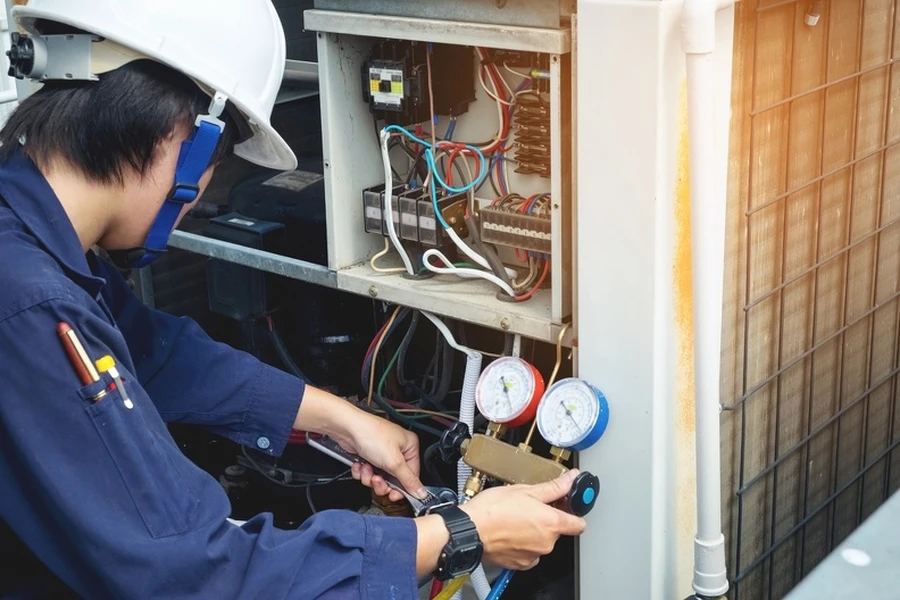
Benefits of Upgrading Your System
Upgrading an old HVAC system can significantly improve energy efficiency in your home. Newer models are designed to use less energy while still providing optimal performance. Here are some benefits you can expect from a new system:
- Reduced energy bills due to more efficient operation
- Increased comfort with consistent temperature control
- Lower maintenance costs over time
- Improved indoor air quality through advanced filtration systems
Understanding Common Challenges
While HVAC replacement offers many advantages, there are challenges to consider. Initial installation costs can be high, which may deter some homeowners. Additionally, selecting the right size and type of system requires careful consideration. Installing the wrong system can lead to inefficiency and increased energy costs. It’s important to work with experts who understand your home’s specific needs.
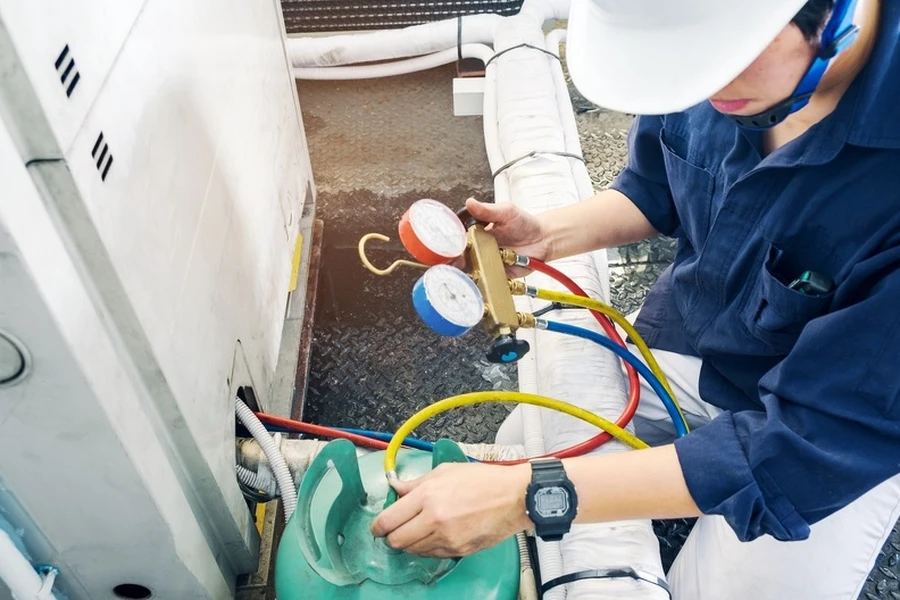
Solutions for Effective Installation
To ensure successful HVAC replacement, follow these steps:
- Assess your current system’s efficiency and issues.
- Choose a reputable company with experience in HVAC installations.
- Select a system that suits your home’s size and layout.
- Ensure proper installation by certified technicians.
- Schedule regular maintenance checks after installation.
Expert Tips for Choosing the Right System
Selecting the right HVAC system involves considering several factors:
- Energy STAR ratings help identify efficient models.
- Avoid oversized systems that lead to short cycling and waste.
- Consider systems with smart technology for better control.
- Factor in climate conditions in your area when choosing a model.
Industry Standards and Regulations
The HVAC industry follows strict regulations to ensure safety and efficiency. When installing a new system, it’s essential to comply with local building codes and federal standards. The Department of Energy provides guidelines for minimum efficiency requirements, ensuring that any new installation meets industry benchmarks. These standards not only improve safety but also guarantee that your system operates efficiently.
Cost Considerations for Homeowners
The cost of HVAC replacement varies based on several factors such as the size of your home, the type of system chosen, and regional labor rates. While the upfront investment can be significant, the long-term savings on energy bills often justify the expense. Homeowners should consider financing options or rebates available through utility companies, which can ease the initial financial burden.
Your Pathway to Efficient Living
Choosing to replace your HVAC system is a step toward a more energy-efficient home. By understanding the benefits, challenges, and solutions associated with this process, you can make informed decisions that align with your budget and needs. If you’re ready to explore HVAC options further, reach out to A1 HVAC Repair in Snellville at (470) 971-5267. Our team proudly serves clients throughout Snellville, GA, providing expert guidance and top-notch service for all your HVAC needs.